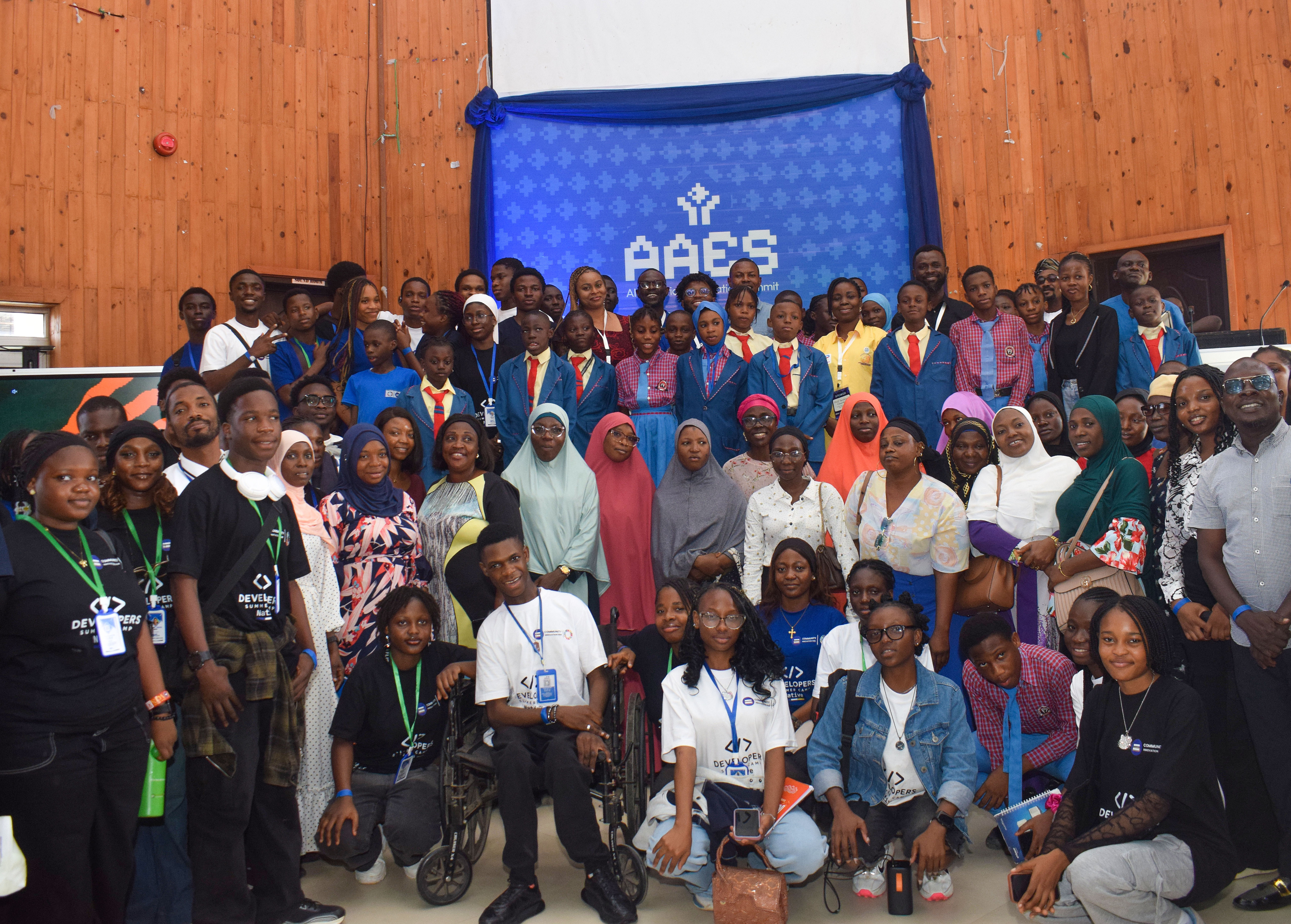
On 10 September 2026, educators, students, and education leaders gathered at the University of Lagos for the inaugural AI for Africa Education Summit (AAES). Organised by Kini AI, as part of its broader commitment to expanding practical AI understanding and use across Africa, and as part of its Project 1 Million mission to help one million Africans understand and use AI by 2030, the summit brought together members of the education community around one central question:
What should teaching and learning look like in the AI era?
Under the theme “Teaching and Learning Responsibly in the AI Era,” AAES 2026 created space for conversations about the opportunities, questions, and responsibilities that come with AI becoming increasingly present in education.
Bringing the Education Community Together
AI has changed how people search for information, create content, solve problems, and learn new things. Education cannot remain on the margins of that conversation.
However, introducing AI into education is about more than teaching people how to use AI tools. It raises questions about critical thinking, academic integrity, creativity, assessment, the role of the teacher, and how students should learn in a world where information and automated assistance are increasingly accessible. AAES 2026 was designed to create a space for those questions to be considered from both sides of the classroom.
The Teacher Track
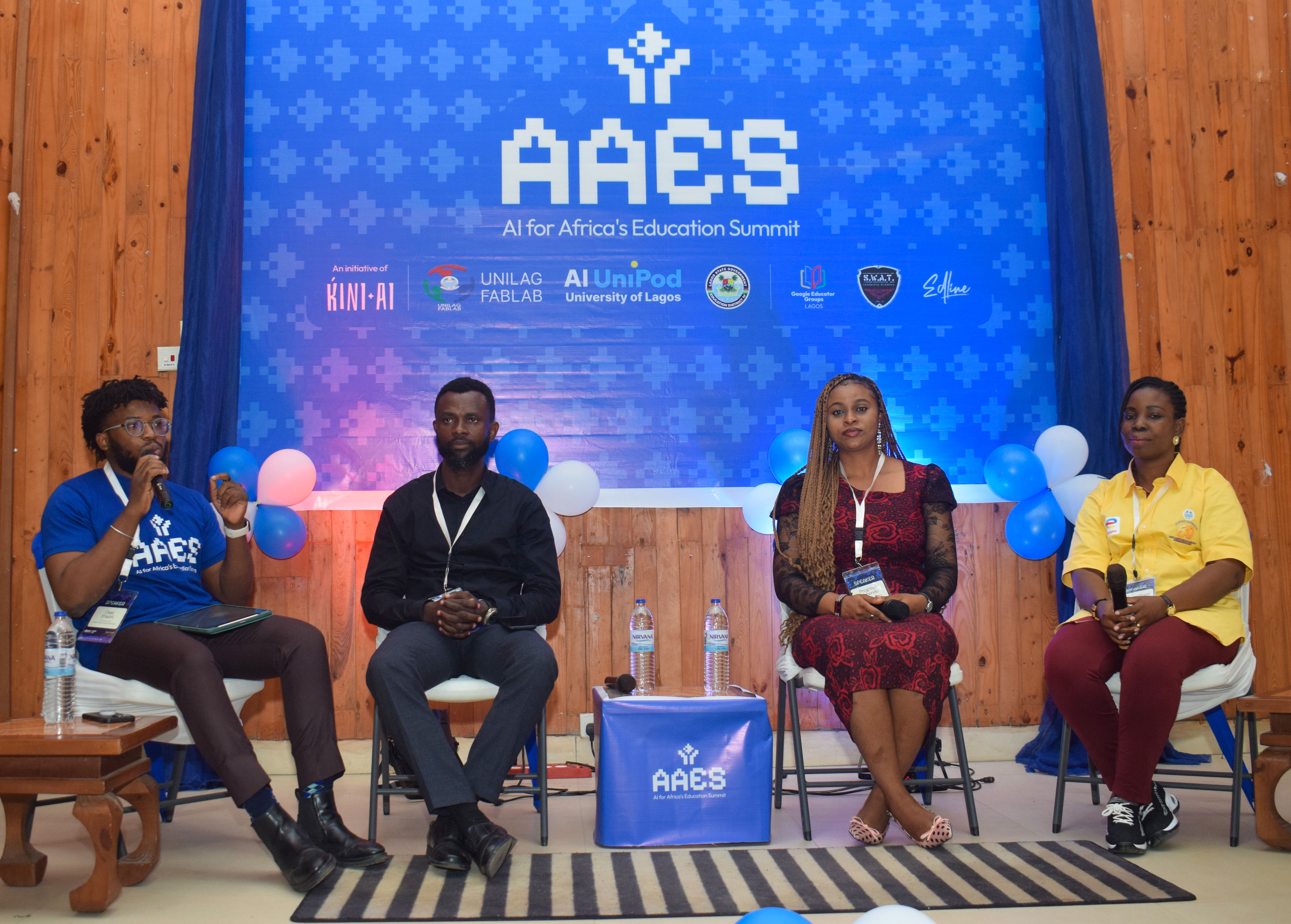
The Teacher Track brought educators and education leaders into conversations about the realities of AI adoption in teaching and learning. Rather than treating AI as a simple technological upgrade, the track focused on the people who will ultimately determine how these tools are introduced into classrooms: educators.
The conversations explored responsible adoption, practical use, and the changing demands placed on teachers as technology becomes increasingly embedded in education. Key takeaways from the sessions included:
- Verification is Non-Negotiable: As stressed by keynote speaker Prof. Chika Yinka-Banjo, educators must actively guard against the risks of accepting AI-generated information blindly. Verifying AI outputs is a critical new responsibility to prevent misinformation from taking root in the classroom.
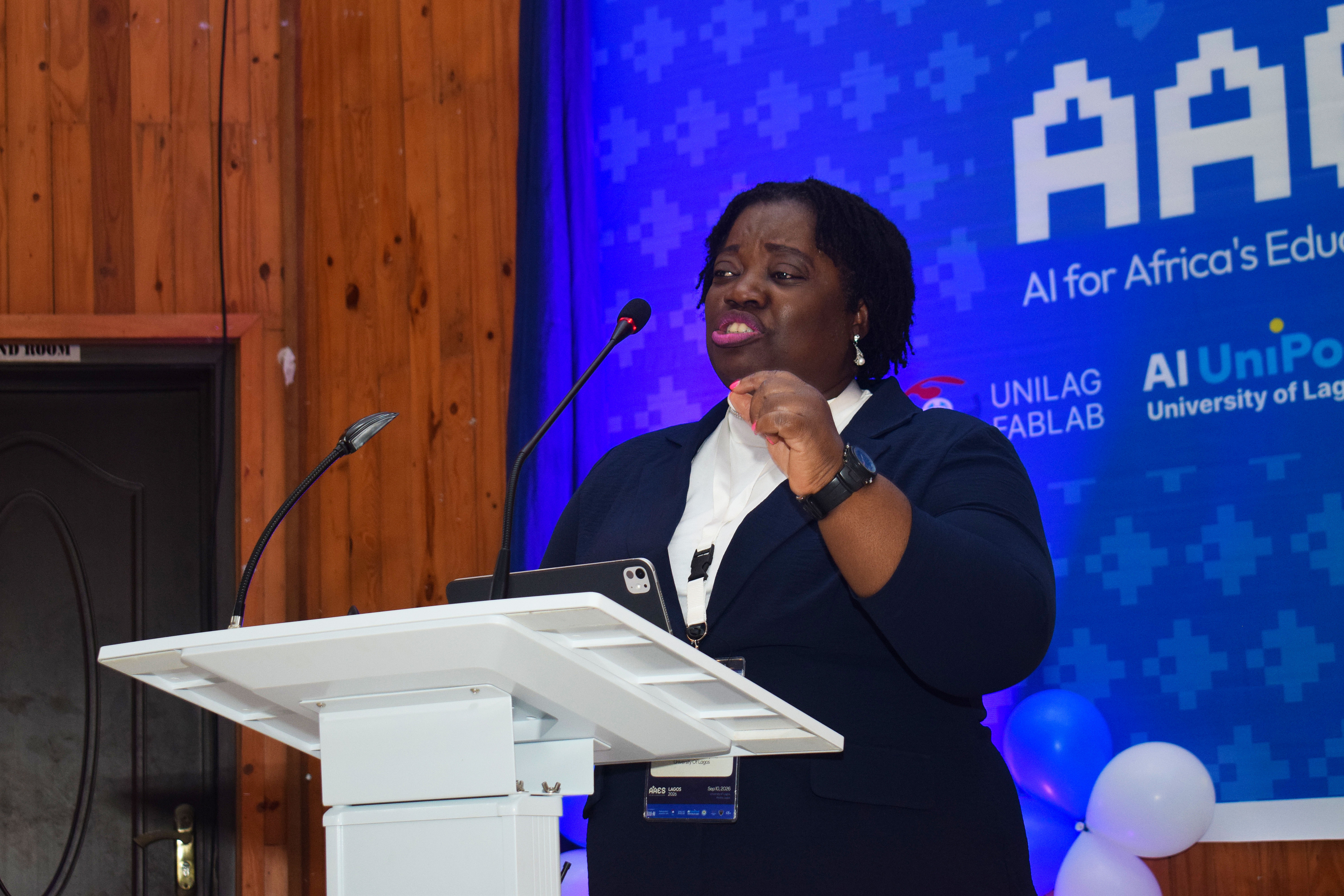
- A Shift in Mindset: The core question for teachers has shifted from “Will AI change education?” to “How prepared are we to lead our students into this new reality?” The sessions highlighted that educators must proactively evolve with the technology rather than just watching it happen.
- Immediate Pedagogical Application: AI integration must go beyond theory. Through How Do You AI? showcases, the track provided practical demonstrations of actual teacher workflows, showing how AI can be used immediately for professional tasks, new assessment methods, and ethical classroom engagement.
The Student Track
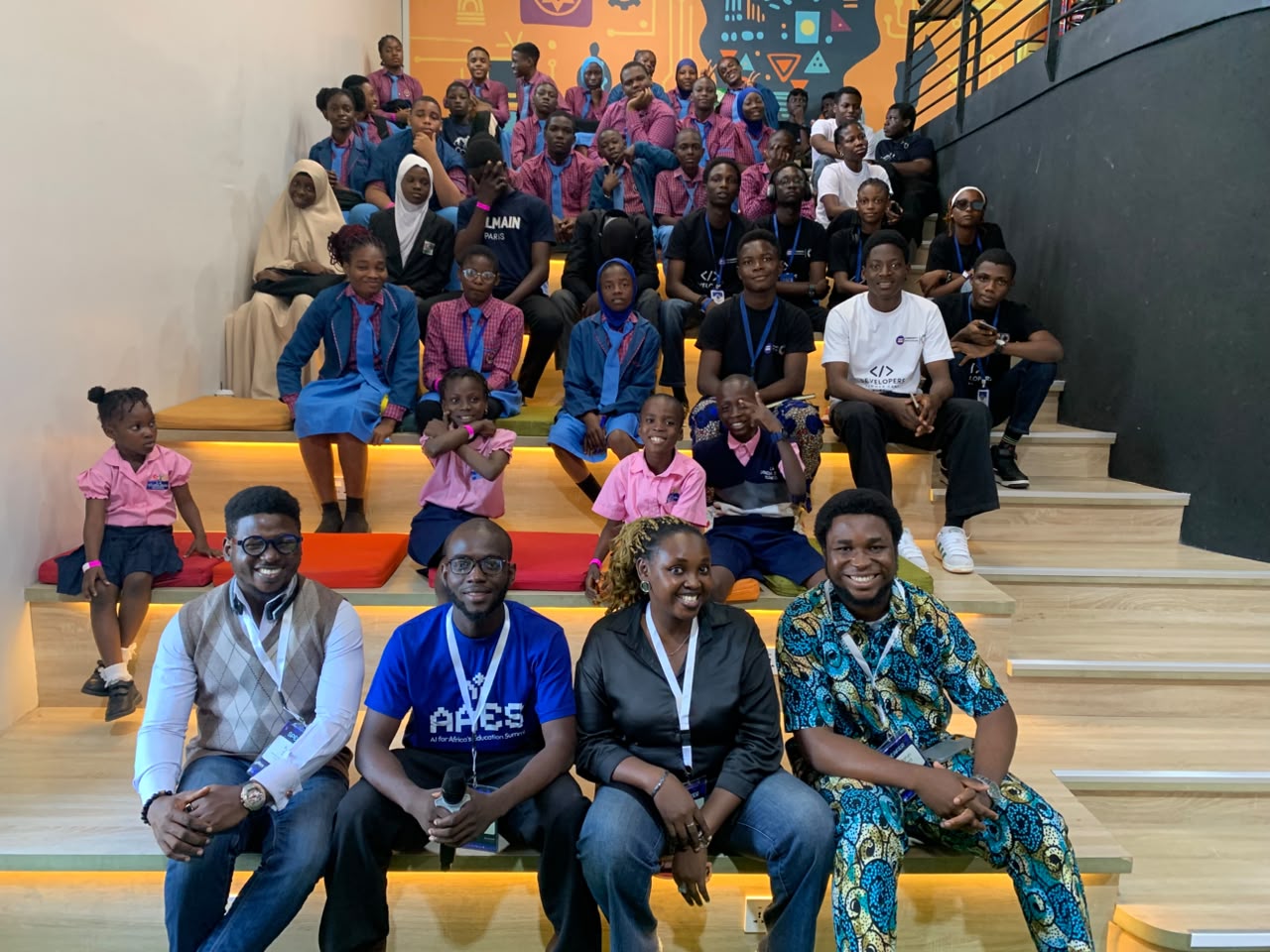
Students are also central to the conversation about AI in education. The Student Track gave young people an opportunity to engage directly with questions about AI, learning, exploration, and the future of work.
For students growing up alongside rapidly developing AI systems, understanding how to use these technologies responsibly is becoming part of preparing for the world beyond school. Key takeaways from the student-focused sessions included:
- Critical Engagement Over Passive Use: A resounding theme was the need to equip young Africans not merely to use emerging technologies, but to question, evaluate, and engage with them critically.
- Navigating African Realities: Through specialized panels and applied industry tracks (Science, Humanities, Business), students explored how AI can be grounded in local contexts to solve unique, continent-specific challenges.
- From Theory to Action: The summit heavily emphasized hands-on exploration. Through interactive demos, hackathons, and workflow showcases, students were encouraged to move from being consumers of AI to active builders and problem-solvers.
Beyond the Conversation
A key part of the AAES experience was a guided tour of the AI UNIPOD facility at the University of Lagos. The tour allowed participating students and teachers to engage with an environment focused on technology, experimentation, and innovation.
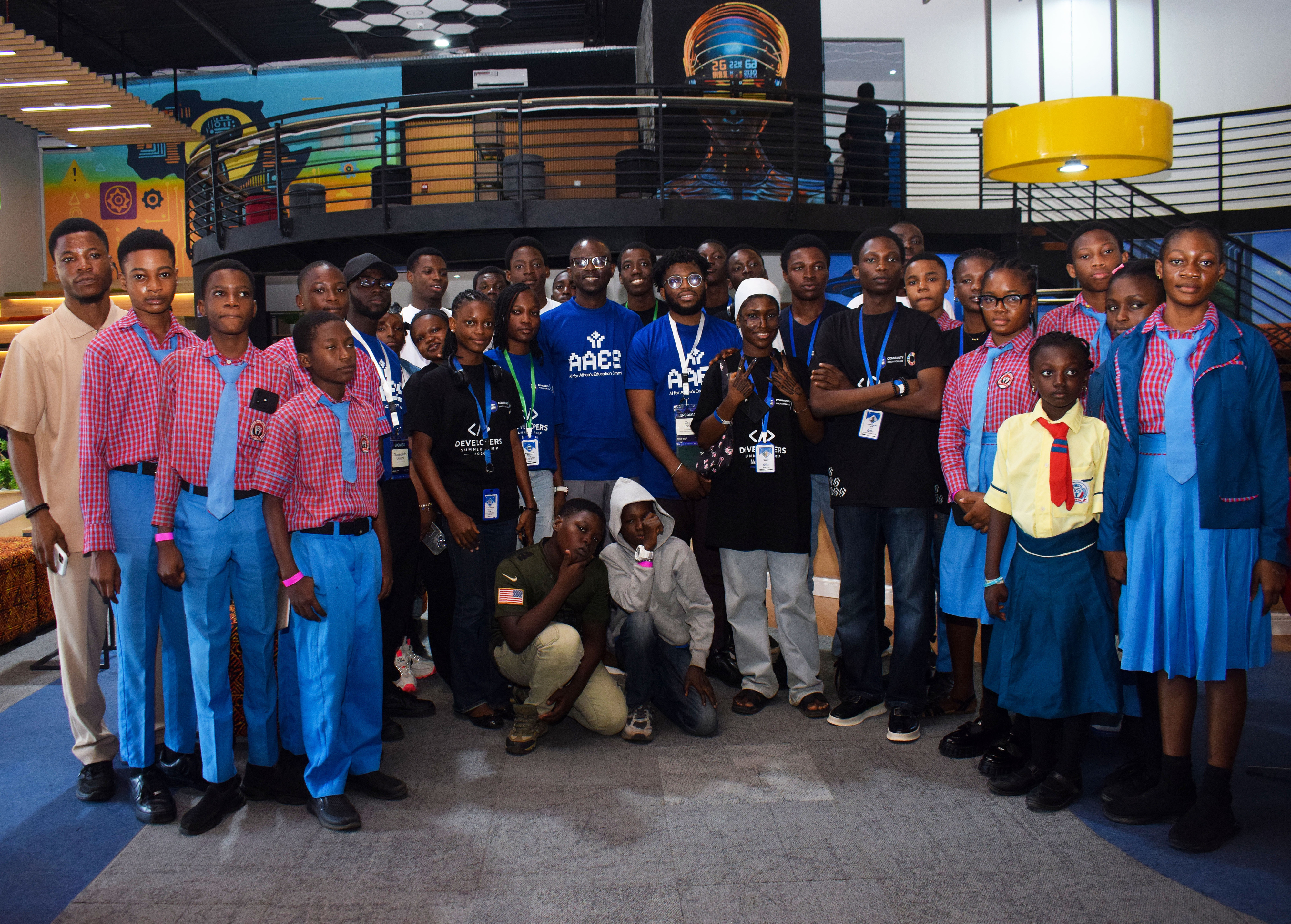
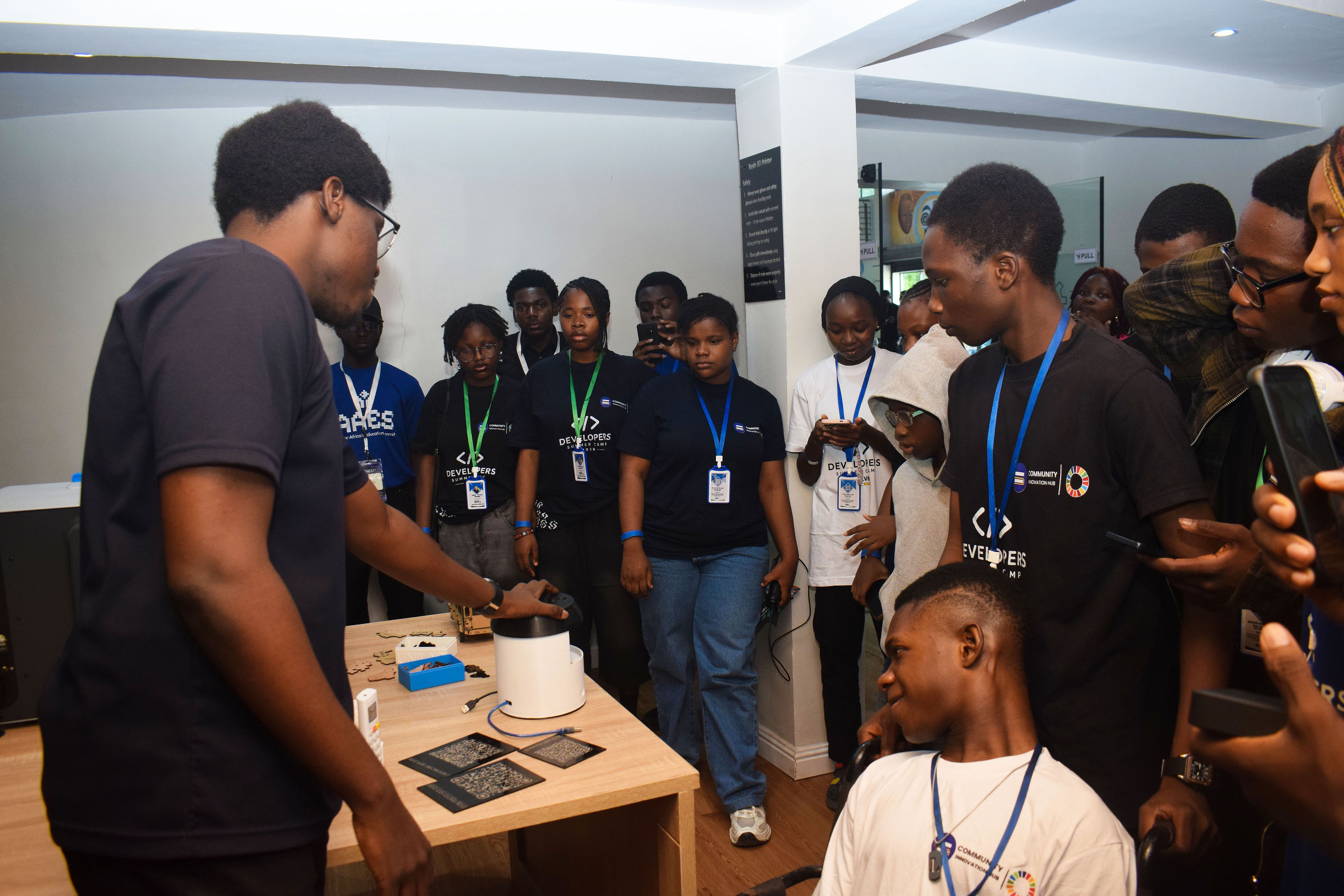
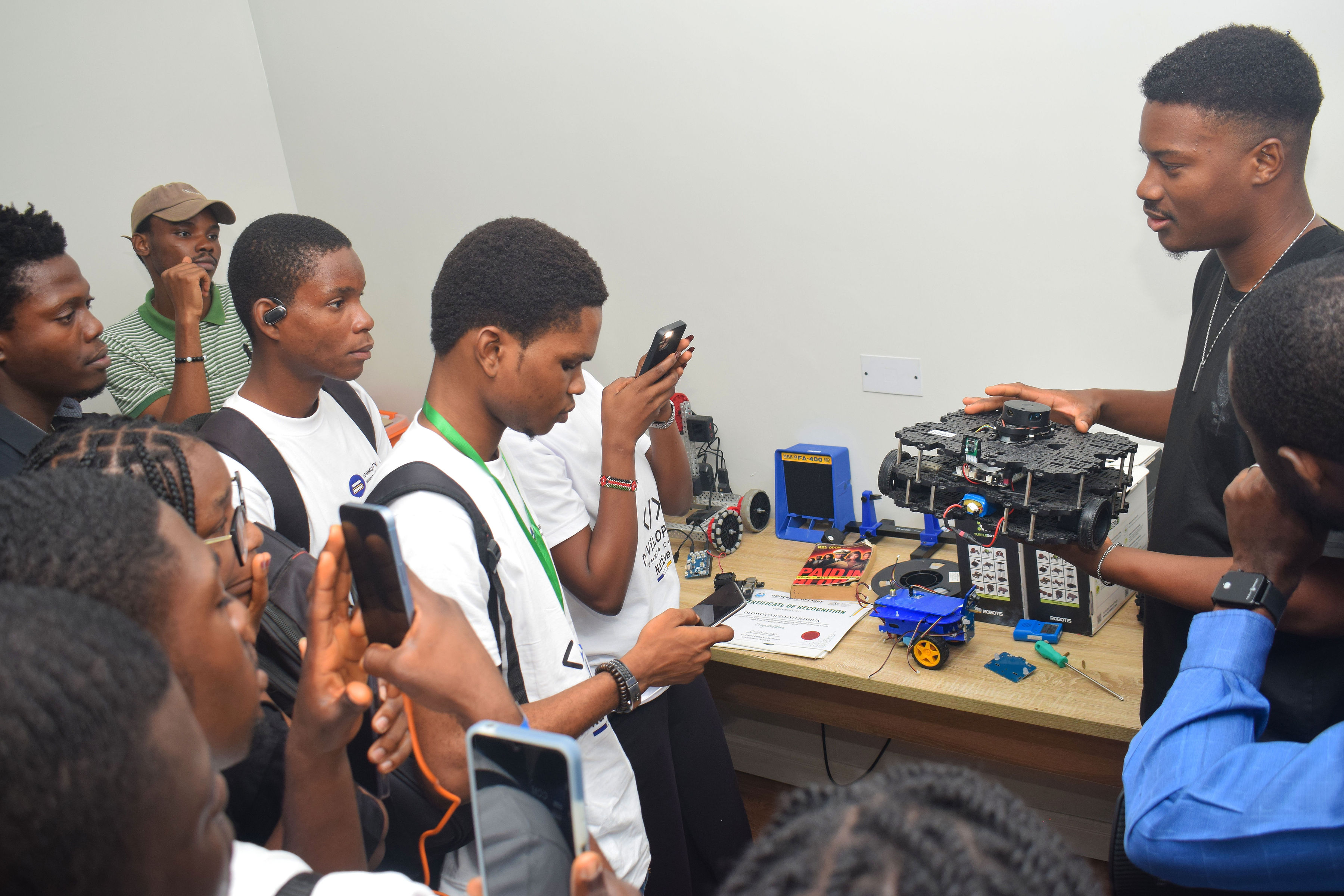 It was a practical extension of the summit’s broader message: understanding AI should not stop at knowing what the technology is. People also need opportunities to explore what it can make possible.
The People Behind the Summit
AAES 2026 was organized by Kini AI in partnership with the AI Unipod at the University of Lagos. Led by Kini AI co-founders Rotimi Awaye and Osemudiamen Ehiabhi, the summit was born from a clear mission to move the African education ecosystem beyond basic AI awareness and into confident, responsible use.
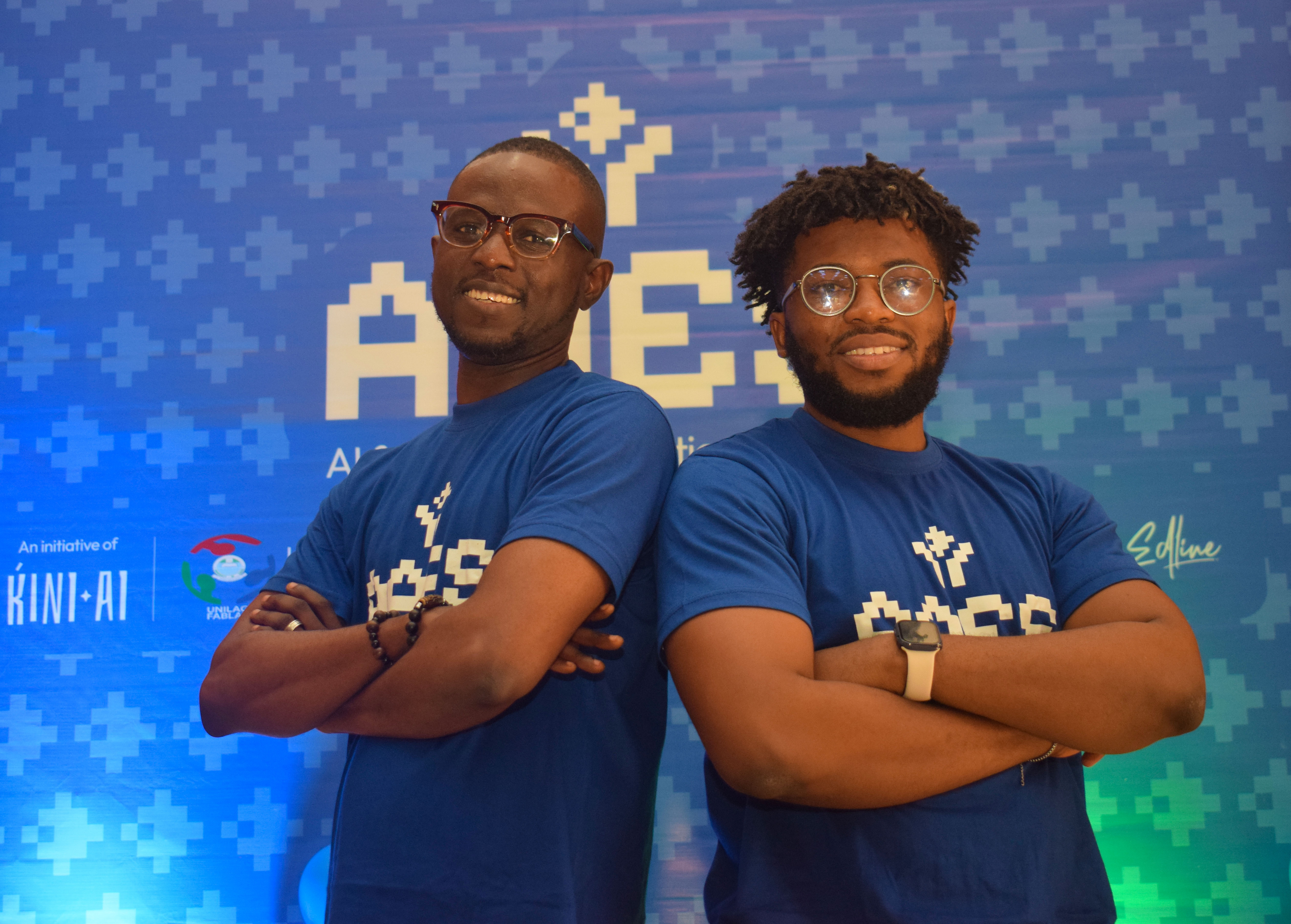
By partnering with the UNILAG AI Unipod, the organizers ensured the event wasn’t just theoretical. The collaboration highlighted that shaping the future of AI in African education requires dedicated technology practitioners, institutional backing, and local builders working together to solve continent-specific challenges.
What Comes Next
AAES 2026 was a starting point. The questions raised around responsible AI adoption in education will not be answered in a single summit, and the work of helping educators and students navigate the AI era will require continued learning, experimentation, and conversation.
For Kini AI, AAES is part of a wider commitment to helping more Africans understand and confidently use AI in ways that are practical, responsible, and relevant to their lives.
The conversation continues beyond the summit. Teaching and learning are changing. The question now is how we choose to shape that change.
If your organisation is exploring how to prepare educators, students, or communities for a responsible AI future, we’d love to work with you.
Partner with Kini AI to bring practical, responsible AI education to more people. Get in touch with us to explore how we can work together.