
A few years ago, producing a voiceover for your video, podcast, or e-learning course meant booking a recording studio or paying a voice actor. Today, you type your script, choose a voice, and download a studio-quality audio file in under a minute. AI text-to-speech has crossed from impressive demo to genuinely useful tool, and the gap between the best and worst options has never been wider.
One important note before we get into the list: Play.ht, long considered a top option for voice variety, is in maintenance mode. Meta acquired the company in July 2025 and shut down the API on December 31, 2025. The consumer studio still works for existing accounts, but no new features are being added. If you are building workflows around Play.ht, it is time to look for an alternative.
Here are the ten text-to-speech tools worth knowing right now.
━━━━━━━━━━━━━━━━━━━━━━━━━━━━━━━━━━
-
ElevenLabs
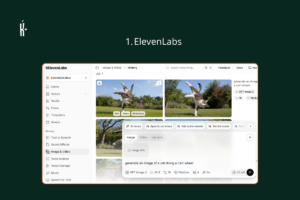
ElevenLabs is the benchmark that every other TTS tool gets measured against. In independent blind tests, it leads the field on voice naturalness (4.8/5) and emotional range (4.9/5), meaning the voices sound genuinely human and technically competent. It supports 29+ languages,including native African ones, and its Multilingual v2 model handles tonal languages and non-English text better than any competitor at its price point. Voice cloning is where it truly pulls ahead: give it a few minutes of audio and it produces a replica of that voice with remarkable accuracy. It is also user-friendly, so we suggest you start here. The free tier gives you 10,000 characters per month, enough to test properly before committing.
Best for: Premium productions, audiobooks, YouTube narration, brand voice creation, creators who need voice cloning.
Pricing: Free (10k characters /month); Starter approx. #9,000/month; Creator approx. #30,000 /month (50% off the first month); Pro approx. #136,000/month
Try it here: https://elevenlabs.io/
━━━━━━━━━━━━━━━━━━━━━━━━━━━━━━━━━━
-
Murf.ai
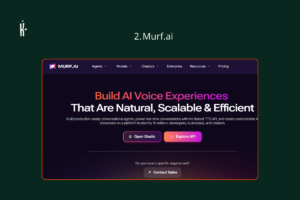
Murf.ai is the cleanest, most approachable TTS tool in the field. You do not need technical knowledge to get professional results: just paste your script, choose from 120+ voices across 20+ languages, adjust pacing and emphasis with a slider, and export. The built-in video editor lets you sync your voiceover to a video timeline without leaving the platform, which removes an entire step from the content creation process.
Team collaboration features make it the natural choice for schools, training departments, and any team where multiple people are contributing to the same project. It is not the cheapest option, but for an educator or course creator who wants professional quality without a learning curve, it is the most practical entry point.
Best for: E-learning courses, corporate training videos, school content, teams producing instructional material.
Pricing: Free trial available; Creator $19/month; Business $66/month
Try it here: https://murf.ai/
━━━━━━━━━━━━━━━━━━━━━━━━━━━━━━━━━━
-
Microsoft Azure Text-to-Speech
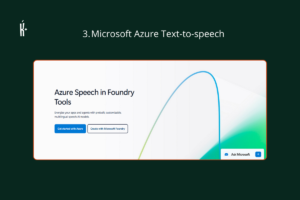
Microsoft Azure TTS supports 400+ neural voices across more than 140 languages. Within that library, it has production-quality voices for Yoruba, Hausa, Zulu, Afrikaans, Amharic, and Swahili; a list of African languages that no other tool on this list matches. If you are producing content in any of those languages, Azure TTS is currently the most capable tool available. The interface is not as friendly as Murf or ElevenLabs — it is designed for developers and requires some technical setup — but non-technical users can access it through third-party tools that sit on top of the Azure API. The free tier gives you 500,000 standard characters per month.
Best for: Multilingual content, African language narration, enterprise applications, developers building voice into products.
Pricing: Free (500k standard chars/month); Neural voices from $0.015 per 1,000 characters; Custom Neural Voice available at enterprise tier.
Try it here: https://murf.ai/
━━━━━━━━━━━━━━━━━━━━━━━━━━━━━━━━━━
-
Descript
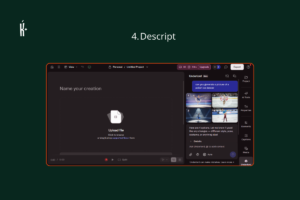
Descript is a different kind of tool. Rather than generating fresh audio from text, it is built around the idea that audio editing should work like editing a document. You upload or record your audio, Descript transcribes it, and you edit the audio by editing the text transcript. Deleting a sentence from the transcript makes the corresponding audio disappear. The AI voiceover feature, Overdub, takes this further: it creates a clone of your voice from a sample and lets you re-record mistakes or add new sentences by typing, without going back into a studio. For Nigeria’s growing podcast community and for educators recording narrated lessons, Descript solves the problem of re-recording every time you make an error or want to update content.
Best for: Podcasters, narrated course creators, anyone who records their own voice and needs to edit efficiently
Pricing: Free (limited hours); Hobbyist $24/month; Creator $40/month; Business $80/month
Try it here: https://www.descript.com
━━━━━━━━━━━━━━━━━━━━━━━━━━━━━━━━━━
-
Google Cloud Text-to-Speech
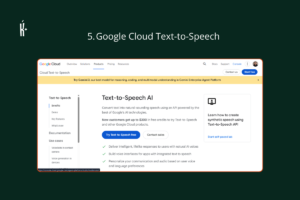
Google Cloud TTS is the developer’s choice and the most generous free option in the field. The free tier gives you 1 million standard characters per month at no cost. That is roughly 150,000 words, enough to produce a full-length audiobook every month for free. For creators or developers working at scale, WaveNet and Studio-tier voices produce high-quality, natural-sounding audio. The 50+ language library includes some African language support, and Google’s neural voice technology is among the best in the market.
The catch: this is an API-first product. You need technical help or a third-party front-end tool to use it without code. Non-technical users should pair it with a no-code interface or use Murf/ElevenLabs instead.
Best for: Developers building voice into apps or platforms, high-volume TTS production, budget-conscious teams with technical support.
Pricing: Free (1M standard chars/month); WaveNet voices $0.004–$0.016 per 1,000 chars; Studio voices $0.10 per 1,000 chars.
Try it here: https://cloud.google.com/text-to-speech
━━━━━━━━━━━━━━━━━━━━━━━━━━━━━━━━━━
-
OpenAI TTS
If you already have a ChatGPT account, you are closer to AI text-to-speech than you think. OpenAI’s TTS is built directly into ChatGPT’s Advanced Voice mode, and it is also accessible as a standalone API for developers. Six voice options (Alloy, Echo, Fable, Onyx, Nova, Shimmer) — all natural-sounding, no cloning or customisation available. There are also fifty-seven languages supported.
For a creator who just wants to generate occasional voiceovers without managing a separate subscription, the ChatGPT integration is the path of least resistance. It is not the most powerful tool on this list, but it is the most accessible and for simple narration, it consistently delivers.
Best for: Occasional voiceovers, quick audio drafts, creators already using ChatGPT who do not want a separate tool
Pricing: Available within ChatGPT Plus ($20/month); API access at $0.015 per 1,000 characters (HD voices $0.030)
Try it here: https://developers.openai.com/api/docs/guides/text-to-speech
━━━━━━━━━━━━━━━━━━━━━━━━━━━━━━━━━━
-
LOVO AI (Genny)
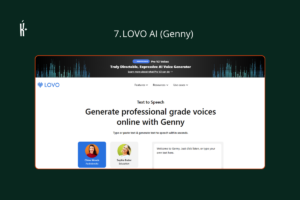
LOVO’s Genny platform combines an AI script writer, a voice generator, and a video editor into a single workflow. You describe what you need, Genny drafts a script, assigns a voice, and outputs a video-ready audio file, or a complete video if you want to go further. Voice cloning is available on the Pro plan, and the voice library covers 100+ languages.
It is particularly strong for brands and marketers who need to produce a steady stream of short promotional content: product demos, social media ads, explainer clips. The all-in-one angle removes friction for creators who are juggling multiple tools.
Best for: Brand marketing, product explainers, social media ad voiceovers, small business owners producing content without a team
Pricing: Free trial; Basic $19/month; Pro $48/month (includes voice cloning)
Try it here: https://lovo.ai/
━━━━━━━━━━━━━━━━━━━━━━━━━━━━━━━━━━
-
Speechify
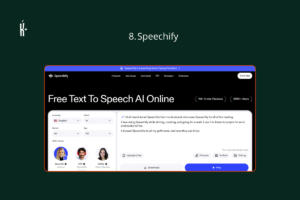
Speechify is not a content creation tool; it is a content consumption tool, and the distinction matters. It does not generate audio you publish; it reads content aloud to you so you can absorb it faster. Articles, PDFs, emails, documents, eBooks — Speechify turns them into audio you listen to on your commute, during exercise, or while doing other tasks.
The AI voices are natural enough that listening to a 5,000-word article does not feel like suffering. For people who consume a lot of written content, Speechify helps you convert reading time into listening time and gets more information into your day. The mobile app is excellent too.
Best for: Students, researchers, busy professionals, anyone who needs to absorb large amounts of text efficiently
Pricing: Free (limited voices); Premium $139/year; AI voices and OCR included on paid plan
Try it here: https://speechify.com/
━━━━━━━━━━━━━━━━━━━━━━━━━━━━━━━━━━
-
Amazon Polly
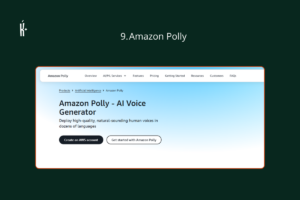
Amazon Polly is the workhorse of the TTS world for developers and businesses building voice at scale. It sits inside the AWS ecosystem, making it the natural choice for any product already hosted on AWS.
At $0.004 per 1,000 characters for neural voices, it is dramatically cheaper than consumer-facing tools, and it is reliable, with the uptime guarantees you expect from Amazon infrastructure. SSML (Speech Synthesis Markup Language) support gives developers fine-grained control over pronunciation, pauses, emphasis, and speaking style. If you are building a product that needs voice output at scale, Polly is where the cost math works.
Best for: Developers, product teams building voice into applications, high-volume automated TTS at low cost.
Pricing: Free (5M standard chars/month for 12 months as part of AWS free tier); Standard $0.004/1k chars; Neural $0.016/1k chars.
Try it here: https://aws.amazon.com/pm/polly/
━━━━━━━━━━━━━━━━━━━━━━━━━━━━━━━━━━
-
NaturalReader
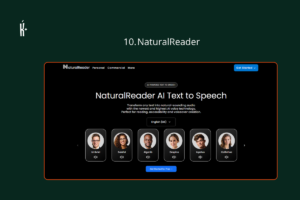
NaturalReader earns its place on this list specifically because it offers something no other tool here does: a one-time purchase option. For $99–199, you buy the software outright with no monthly subscription. That is a meaningful option for anyone who uses TTS regularly and does not want to commit to a monthly fee.
The voices are more synthetic-sounding than ElevenLabs or Murf — noticeably AI, not passably human — but for internal use, accessibility purposes, or draft narration, they do the job. The tool also reads text directly from PDFs and documents without copy-pasting, which saves time.
Best for: Budget-conscious users who want TTS without a subscription, accessibility needs, reading documents aloud
Pricing: Free (limited voices); $9.99/month subscription; One-time purchase $99–199 (perpetual licence)
Try it here: https://www.naturalreaders.com/
━━━━━━━━━━━━━━━━━━━━━━━━━━━━━━━━━━
Kini Big Deal?
AI voiceovers were a novelty a few years ago. Today, however, they’re infrastructure. The barrier to voice production has shifted from “Can I produce this?” to “What do I want to say?”
For Africa, that’s an even bigger deal. As more tools support local languages and accents, high-quality audio content is becoming accessible to far more people than ever before. The opportunity isn’t just to create more content; it’s to create content that sounds like us, speaks our languages, and reaches audiences who have long been overlooked.
Na your message matter pass. AI don make the microphone available to everybody.