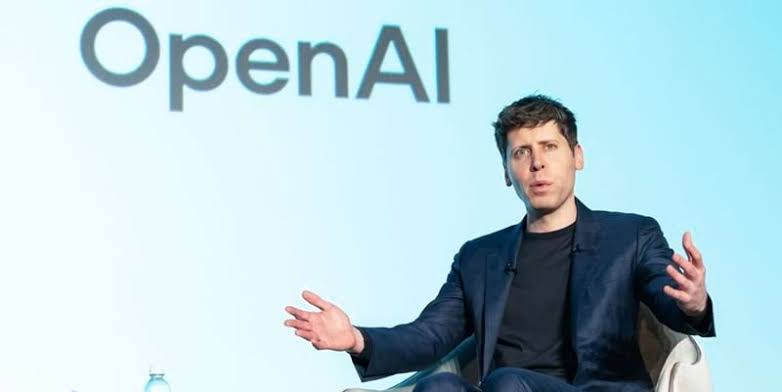

Sam Altman is reportedly in talks with President Trump to hand the US government a 5% stake in OpenAI, to be distributed to Americans as a kind of AI dividend. It sounds generous until you run the numbers, and the numbers tell a much smaller story than the headline does.

━━━━━━━━━━━━━━━━━━━━━━━━━━━━━━━━━━
Major Highlights
- The Financial Times reported Altman is discussing giving the US government a 5% stake in OpenAI, an idea he has floated in various forms since 2021.
- OpenAI was valued at $852 billion after its March 2026 funding round, making a 5% stake worth roughly $42.6 billion.
- Split evenly across America’s roughly 133 million households, that stake works out to about $320 per household, hence the story’s title.
- OpenAI is reportedly delaying its IPO until it can hit a $1 trillion valuation, despite still not being profitable.
- The proposal echoes the Alaska Permanent Fund, which shares oil revenue with residents, though Altman rejects the underlying premise that AI wealth, unlike oil, will ever run out.
- Senator Bernie Sanders has floated a far more aggressive version: a 50% government stake in top AI companies.
- The analysis argues the plan may double as political cover, staying in the US government’s good graces matters for AI firms right now, given recent friction between the administration and companies like Anthropic over export and supply chain rules.
━━━━━━━━━━━━━━━━━━━━━━━━━━━━━━━━━━
KINI BIG DEAL
Strip away the “AI will make you rich” framing and what’s left is a fairly small number attached to a fairly large amount of political theatre. $320 per household is not nothing, but it is not the wealth-sharing revolution the headline implies either, especially once you remember OpenAI isn’t profitable yet and has been floating this idea in some form for five years without producing an actual mechanism.
The part worth paying attention to, especially for anyone tracking how AI companies navigate government relationships, is the timing. Frontier AI labs are increasingly finding that staying close to government, through equity stakes, favorable trade positioning, or public-facing wealth-sharing gestures, has become part of the cost of doing business in the current political environment, not just in the US but everywhere regulators are deciding how much latitude to give these companies. Nigeria’s own AI Governance Bill delay (covered elsewhere in this batch) is a different flavor of the same underlying tension: governments and AI companies are still negotiating who owes who what, and neither side has fully worked out the terms yet.
Read more: Your family’s $300 stake in OpenAI – MIT Technology Review