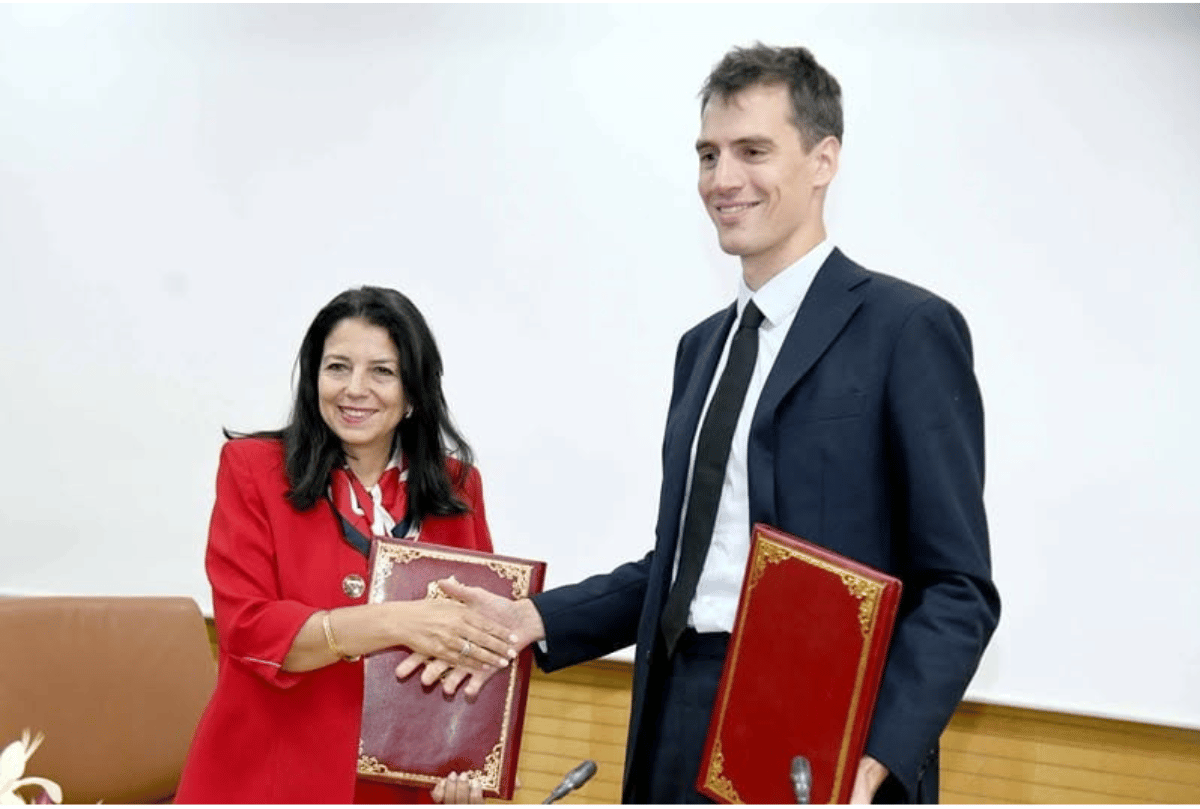
Morocco has built AI tools that understand how Moroccans actually speak, and it plans to release the first ones as open source. The Ministry of Digital Transition and Administration Reform announced them, and they were developed with Mistral AI.
Major Highlights
- Tool one: A language identification classifier that can tell different Arabic dialects apart, including Moroccan Arabic.
- Tool two: Voxtral, a speech recognition model adapted to the Moroccan dialect. It turns speech into text, even when people switch between Arabic, French and English in the same conversation.
- Open source: The first outputs from the partnership will be released as open source.
- Where it fits: The work is part of Maroc Digital 2030 and the AI Made in Morocco roadmap, which aim for sovereign and responsible AI adapted to Morocco’s language and culture.
- Who it’s for: Public administrations, startups, researchers, developers and businesses. Possible uses include public services, education, media, customer support, document digitisation and multilingual data processing.
- Who is leading: Minister Amal El Fallah Seghrouchni leads the initiative.
- More coming: The tools will sit alongside AI solutions the Ministry is building for its own AI marketplace, and more models and use cases are in development. The plan is to extend support progressively to Morocco’s national languages.
KINI BIG DEAL
Most AI tools are built around standard languages, not the way people talk every day. In Morocco, people mix Moroccan Arabic, French and English in one sentence, and a tool that can’t follow that will keep failing the people it is supposed to help.
Releasing the tools as open source also means local startups and developers can build on them instead of starting from zero. It’s the same idea as the UNDP and GSMA story: if you want AI that works for your people, you have to build it on your own language data.