Google released three new versions of its Gemini AI this week. What they do is great, but greater and closer to the story than that is what they cost. Every...

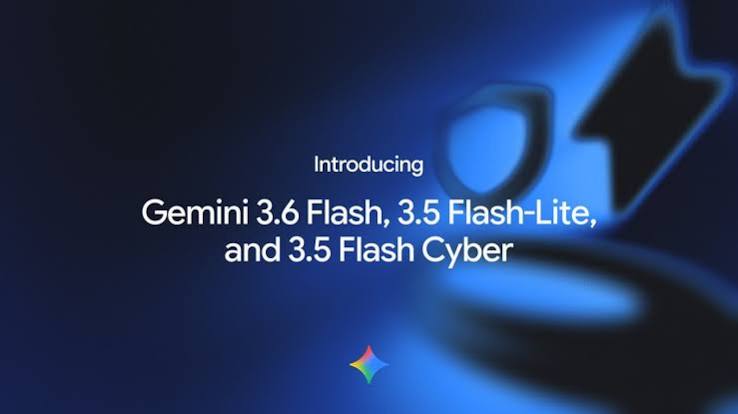
Google released three new versions of its Gemini AI this week. What they do is great, but greater and closer to the story than that is what they cost.

Every time a company builds a product using AI, they pay per word the AI reads and per word it writes. Those per-word prices have been a barrier between ideation of products and their actual building, especially for people working with Nigerian, not Silicon Valley budgets. This week, Google made those prices cheaper across the board, while still making the models themselves better.

Major Highlights

  • Google released two new AI models developers can use immediately: 3.6 Flash, built for everyday tasks like coding and analysis, and a cheaper, faster version called 3.5 Flash-Lite, built for high-volume, simple tasks. Both are cheaper and use fewer resources than the versions they replace, while performing better.
  • A third model, 3.5 Flash Cyber, is built specifically to find and fix security holes in software. Google isn’t opening this one to the public; it’s going exclusively to governments and vetted partners through a security tool called CodeMender.
  • Both new public models are already live through Google’s developer platforms, with 3.6 Flash also built into Google’s enterprise tools.
  • Google confirmed it’s already deep into training its next major model, Gemini 4 — meaning today’s cutting-edge AI will likely be considered basic within a year or two.
  • The models ship with stronger built-in safeguards against misuse in high-risk areas like chemical, biological, and cyber threats.

KINI BIG DEAL?

Every year, capability that used to cost a fortune becomes cheap enough to build a real business on. This makes it possible for African business owners to actually run thir products past the demo stage.

The security model is worth a separate mention, for a different reason. Google chose, on purpose, not to make this one available to just anyone; only to governments and trusted partners. That’s a real company drawing a line between “AI capability everyone should have” and “AI capability too risky to hand out freely.” That’s exactly the kind of decision Nigeria’s own AI policy conversations are still trying to work through: who gets access to powerful AI tools, and who decides.

And the Gemini 4 line, buried near the end of Google’s announcement, is worth sitting with. The frontier of AI keeps moving forward, whether or not any single country’s rules and regulators can keep pace with it. But there’s a genuine upside hiding in that same fact: what’s frontier-level today keeps sliding down into cheap, everyday-tier pricing tomorrow. That trend — prices falling as capability rises — is doing more to make serious AI businesses buildable from Lagos than any single  model launch ever will.

Rotimi Awaye

Get Your AI Persona Assessment

Take Assessment
K A I
Muyiwa

Ask us anything, or share your feedback.

Hello!

Hi, I'm Muyiwa from Kini AI. Ask me about AI in Africa, our blog content, or anything else!