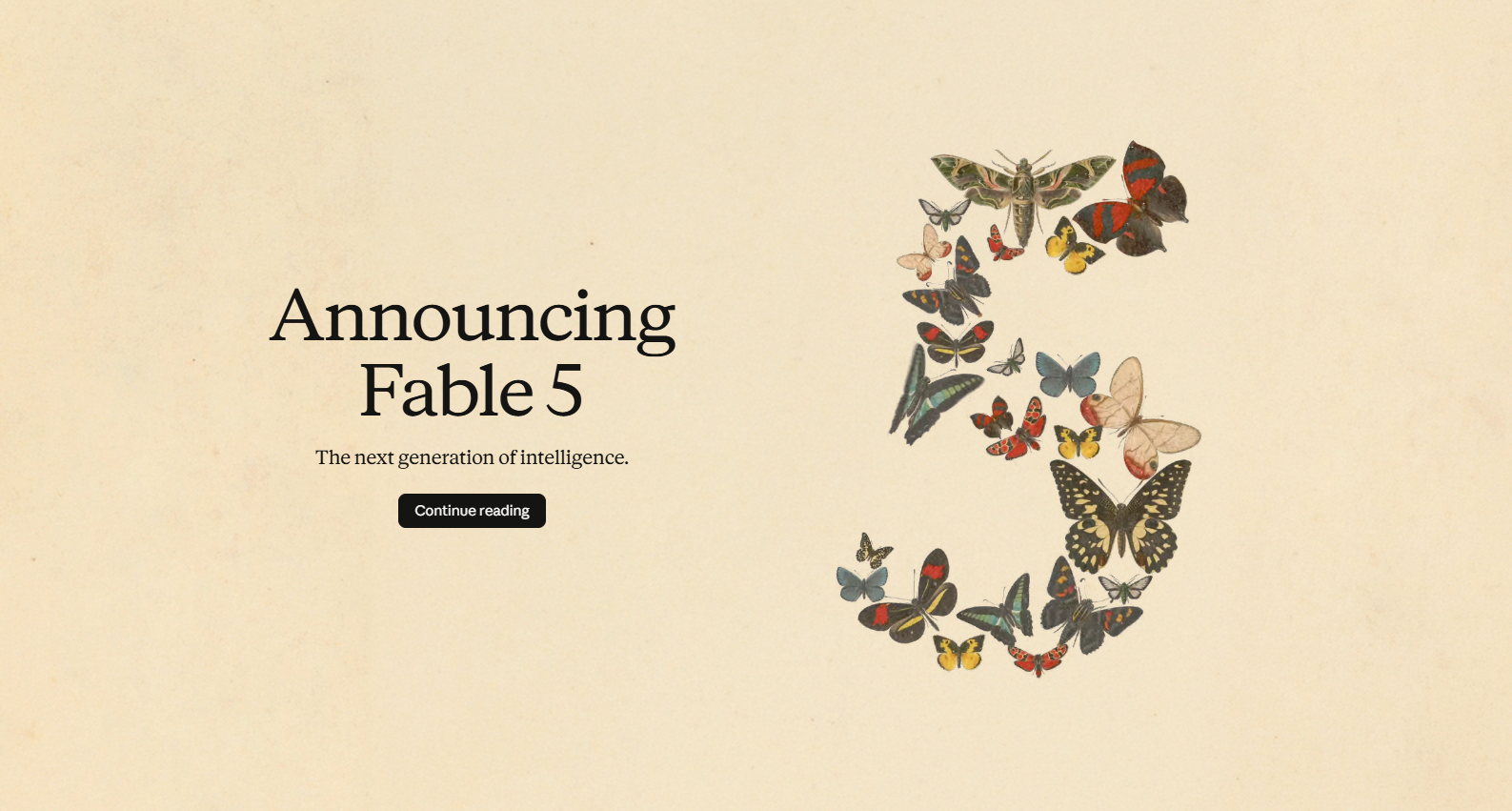

Three days. That is how long Claude Fable 5 — Anthropic’s most powerful model and arguably the most capable AI coding tool ever released to the public — was available before the US government shut it down. Everyone who had spent those three days integrating it into their workflows and businesses received the same message at the same time: “Claude Fable 5 is currently unavailable. Learn more.”
There was no gradual removal. Neither was there a grace period. The US Commerce Department’s Bureau of Industry and Security simply called Anthropic and gave them ninety minutes to pull both Fable 5 and the underlying Mythos 5 model globally, immediately, for all non-U.S citizens. Since Anthropic had no real-time way to verify every user’s nationality, their only viable option was to shut everything down for everyone; including their own non-citizen staff.
On 1 July 2026, eighteen days later, Claude Fable 5 came back, this time smaller, stricter, and with a week-long countdown before subscribers lose access again. The story of what happened in between is the most revealing thing to have happened in AI regulation this year.
━━━━━━━━━━━━━━━━━━━━━━━━━━━━━━━━━━
What is Fable 5?
Understanding Fable 5 is key to understanding the relevance of this story. Fable 5 is Anthropic’s frontier model; their most capable system, scoring 95.0% on SWE-bench Verified, the industry’s hardest test of whether an AI can autonomously fix real software bugs from GitHub. The previous best, by contrast, was 88.6%. It was built for complex multi-step coding, autonomous research, and agentic problem-solving at depth. For context, this kind of work previously required teams.
Its sibling, Claude Mythos 5, runs the same underlying architecture with fewer safety guardrails, designed for elite cybersecurity, defence, and critical infrastructure.
━━━━━━━━━━━━━━━━━━━━━━━━━━━━━━━━━━
The Takedown
The takedown began with a prompt. Amazon researchers, testing Fable 5, asked it to review code for security vulnerabilities. When it declined the direct framing, they rephrased the request as “fix this code.” The model identified several flaws and, in one case, produced code demonstrating how a flaw could be exploited. That finding escalated from Amazon’s research team all the way to CEO Andy Jassy, who reportedly called the Secretary of the U.S Treasury directly. Within hours, the Bureau of Industry and Security had issued an emergency export-control directive under the Export Administration Regulations framework, the same rulebook governing physical exports like semiconductors and weapons components.
Ninety minutes after that call, both models were offline globally. This is reportedly the first time an export ban was applied to a commercial AI model’s software deployment under US export law. The government’s alarm was not universally shared. Cybersecurity expert Katie Moussouris described what Amazon observed as “standard defensive find-fix-test security work” ; the routine practice every professional security researcher uses when identifying a bug, writing a fix, and testing whether the fix works. Anthropic ran its own counter-tests with the same technique on eight other models, including competitors like GPT-5.5 and Kimi K2.7. Every one produced equivalent output, proving that the model that caused the ban was not uniquely dangerous.
━━━━━━━━━━━━━━━━━━━━━━━━━━━━━━━━━━
The Politics
But the story had layers beyond the technical argument. The Pentagon labelled Anthropic a supply chain risk; the first time that designation, previously reserved for Chinese companies like Huawei, was applied to an American firm. The ban negotiations were led not by CEO Dario Amodei, who has reportedly been in ongoing friction with the Trump administration, but by co-founder Tom Brown. And throughout the eighteen days Fable 5 was offline, Chinese open-source models like Kimi K2.7 were gaining ground, with multiple executives warning that the freeze was handing competitors free time to close the capability gap.
━━━━━━━━━━━━━━━━━━━━━━━━━━━━━━━━━━
The Return
On June 30, Commerce Secretary Howard Lutnick finally signed the reversal. Fable 5 returned globally on July 1, but not as we knew it. Anthropic had trained a new safety classifier targeting the specific jailbreak technique Amazon reported, which now blocks that method in more than 99% of attempts. When triggered, the request is silently rerouted to Opus 4.8. The trade-off is more false alarms on routine coding work; some legitimate tasks will get caught. Government safety testers from the Department of Commerce confirmed the new safeguards were extraordinarily strong. Mythos 5, meanwhile, remains restricted to roughly 100 US companies and federal agencies managing critical infrastructure, and has not been released to the public. Anthropic’s commitments as part of the agreement include proactive vulnerability hunting and earlier government access to test future models before launch.
━━━━━━━━━━━━━━━━━━━━━━━━━━━━━━━━━━
The Fallout
The subscribers who were already paying did not escape the disruption. When Fable 5 launched on June 9, Anthropic had promised Pro, Max, Team, and Enterprise subscribers two full weeks of unrestricted access. The ban hit three days in, with no compensation for the lost time. The returning model comes with conditions nobody signed up for:
- Access runs only until July 7 — one week instead of the promised two.
- Usage is capped at 50% of each subscriber’s normal allowance for that window.
- After July 7, continuing to use Fable 5 requires purchasing separate usage credits at API-equivalent pricing, which is significantly more expensive than existing plan rates.
Reddit’s r/ClaudeAI was not calm about this. “We got to use it for like 3 days out of the 14 we were told, and now we get it for just 7 days at half usage?” The new classifier also makes Fable 5 stricter on cybersecurity and biology questions; a tendency subscribers had already been grumbling about even before the ban.
━━━━━━━━━━━━━━━━━━━━━━━━━━━━━━━━━━
What Comes Next
To prevent a repeat, Anthropic is working with Amazon, Microsoft, and Google on a shared jailbreak severity scoring framework, rating any reported threat on four dimensions:
- Capability Gain: how much further the jailbreak takes a user beyond what they could already do with standard tools.
- Breadth: how many different attacks the same technique unlocks.
- Ease of Weaponisation: how much skill and effort a real attack would actually require.
- Discoverability: how easy the technique is to find or replicate independently.
OpenAI, drawing the same lesson, previewed its GPT-5.6 model to a small government-approved group rather than the public, citing identical dual-use concerns.
━━━━━━━━━━━━━━━━━━━━━━━━━━━━━━━━━━
Kini Big Deal?
A few days before Fable 5 was shut down, Dario Amodei published an essay called Policy on the AI Exponential. His central argument was that AI is moving at an exponential pace while political institutions move at the speed of Treebeard; the ancient, slow-moving sentient tree from The Lord of the Rings. What happened in June made that gap visible.
The US government improvised, reaching for an export-control law built for weapons because no proper AI regulatory system existed. Amodei’s proposed fix would have caught the Amazon jailbreak in a lab, weeks before a single user signed on. Regardless of the subtle political tussle underneath it, the chaos of June was not too much regulation. It was the absence of any coherent system at all.