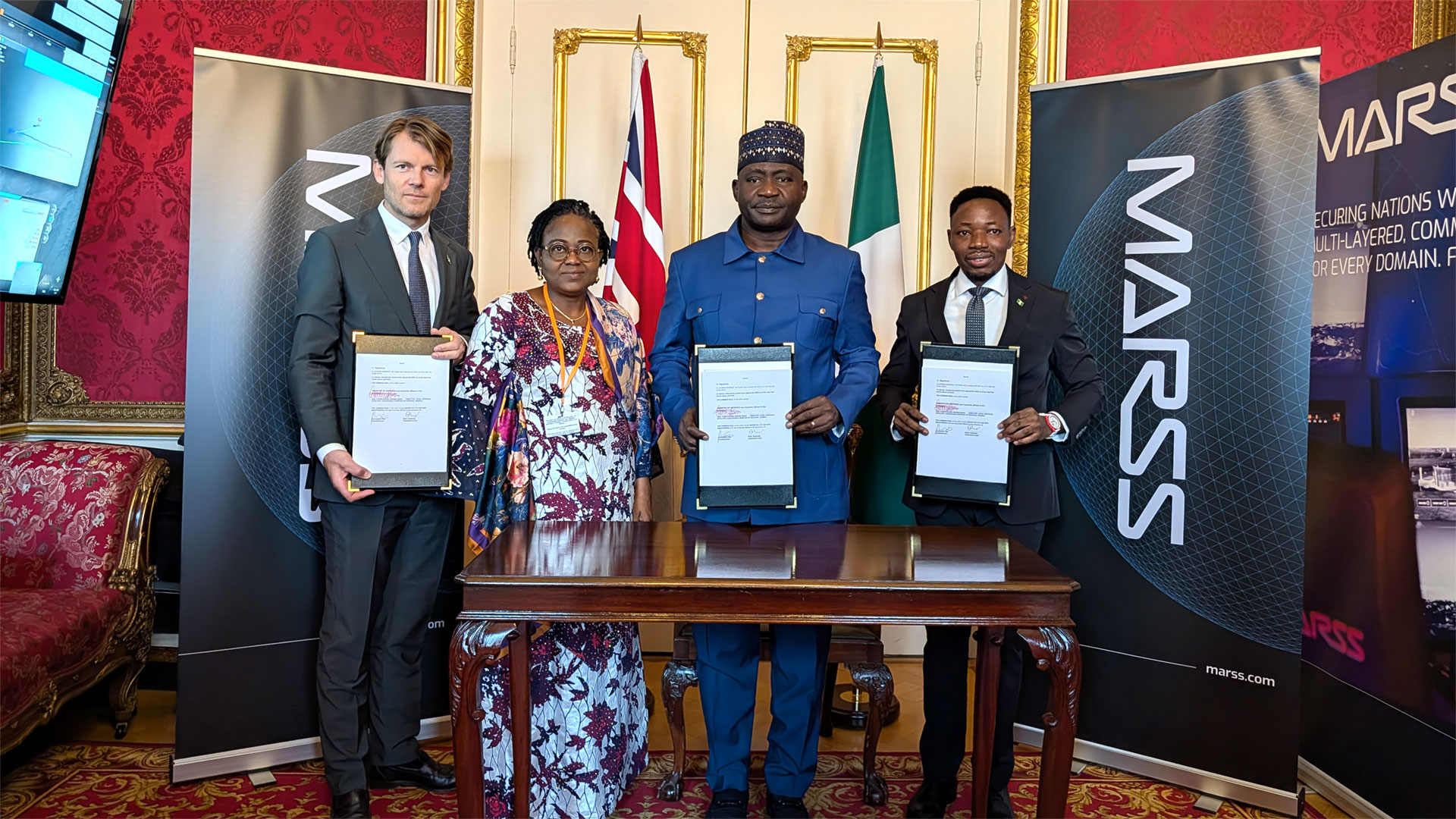

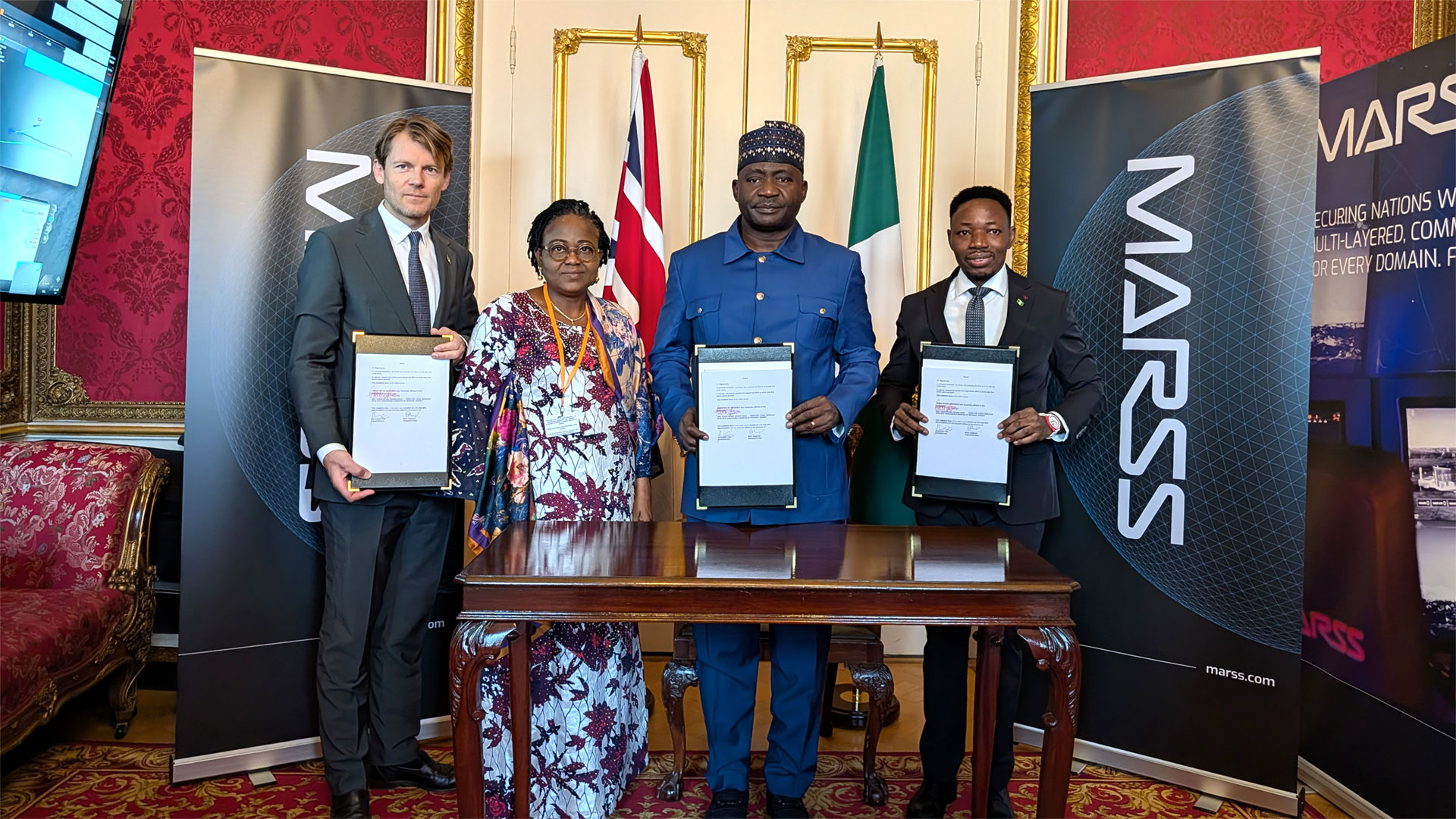
Nigeria’s Ministry of Defence has signed a $190 million agreement with UK-based technology firm MARSS Group to deploy an advanced AI-powered command-and-control system across the country’s military and border security operations. The agreement, formalised in March 2026 and now entering active deployment, is one of the largest defence technology investments Nigeria has made in recent history.
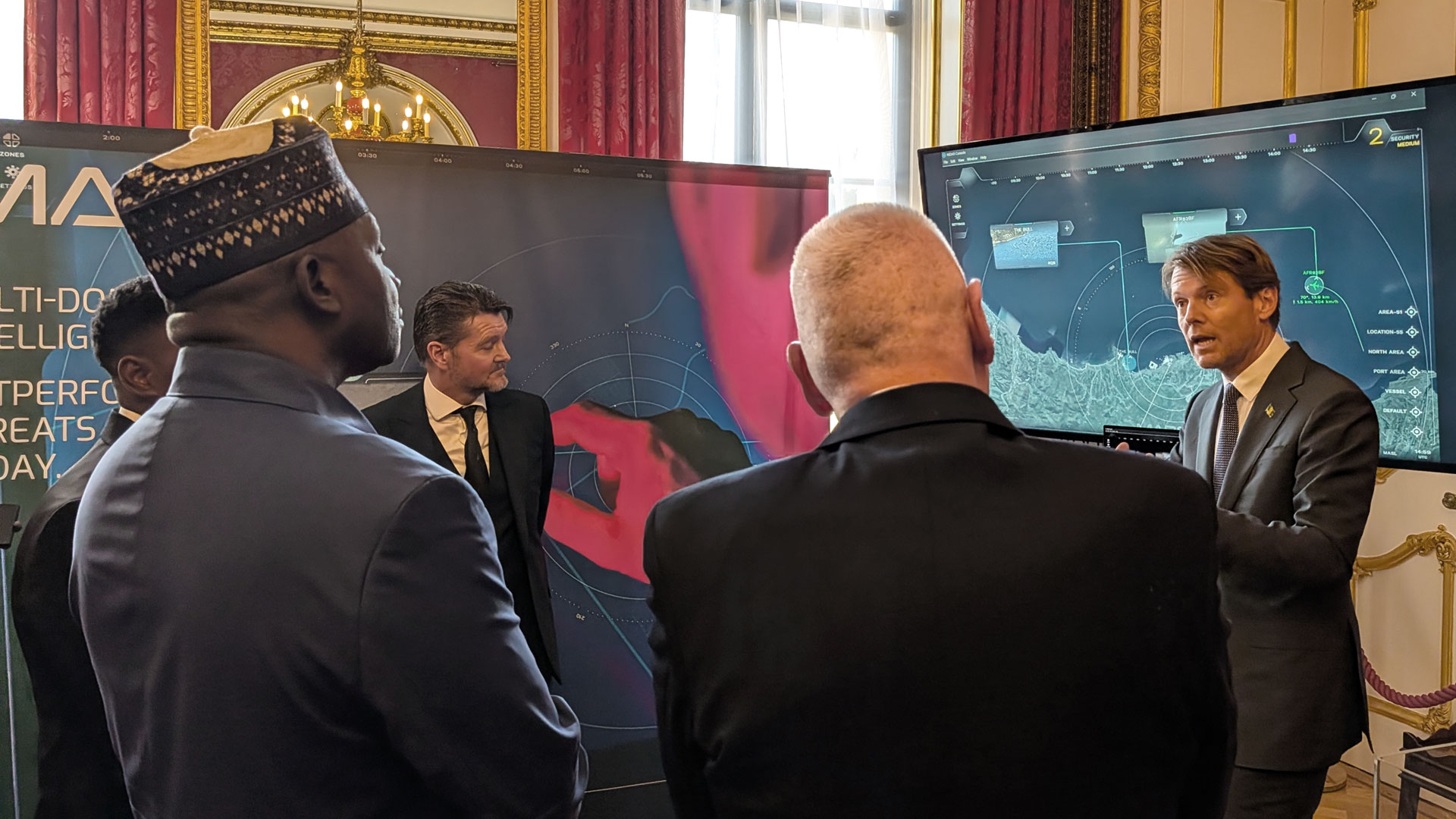
At the core of the system is NiDAR: an AI-powered platform that pulls together data from radar arrays, thermal cameras, sonar sensors, and surveillance equipment into a single, unified real-time picture of what is happening across Nigeria’s air, land, maritime, and underground domains simultaneously.
━━━━━━━━━━━━━━━━━━━━━━━━━━━━━━━━━━
Major Highlights
- Nigeria’s Ministry of Defence signed a $190M MoU with MARSS Group (UK), a specialist in AI-powered defence and maritime surveillance technology.
- NiDAR — the core AI platform — provides 360-degree situational awareness by unifying data from radar, thermal imaging, and sonar inputs into a single real-time command interface.
- The system will cover air, land, maritime, and subsurface domains, giving the Nigerian military an integrated picture that no single sensor technology could provide alone.
- Plans include establishing national and regional command centres, mobile rapid-response units, and a dedicated simulation facility to train Nigerian personnel to operate, maintain, and adapt the systems locally.
- Defence Minister Musa has explicitly prioritised AI, robotics, cybersecurity, unmanned systems, and local manufacturing capacity as pillars of Nigeria’s broader defence modernisation programme.
- The deal includes a capacity-building component: Nigerian technicians will be trained to independently operate and modify the systems, reducing long-term dependency on foreign operators.
━━━━━━━━━━━━━━━━━━━━━━━━━━━━━━━━━━
KINI BIG DEAL
Most large defence contracts in Africa follow the same pattern: a foreign company builds the system, deploys the system, trains a small number of local staff just enough to keep the lights on, and the African country pays — and then keeps paying for maintenance, upgrades, and ongoing support. Dependency is baked into the contract.
Nigeria has explicitly structured this one differently. The goal is to build the human infrastructure to own and adapt the system over time. Training facilities. Local command centres. Nigerian technicians who understand the architecture well enough to modify it independently.
Whether that commitment survives the realities of implementation is a separate conversation; these things often look different on the ground than they do in an announcement. But the fact that technological sovereignty is being built into the agreement at all is a meaningful signal about how Nigeria’s leadership is thinking about the relationship between AI, defence, and national independence.
AI in national security is no longer a concept discussed at conferences. On this continent, it is now a signed, funded contract.
Read more: Military Africa | iAfrica | Technology Times
Until next time, stay curious.